Understanding the Impact of Lotu on Wellbeing
The Lotu Factor Project is a Health Research Council-funded study based in Tauranga, exploring how faith influences the health choices, beliefs and holistic wellbeing of Tongan communities across Aotearoa New Zealand. By examining both protective spiritual practices and harmful interpretations, we provide the foundational insights needed to ensure faith promotes, rather than hinders, community wellbeing.
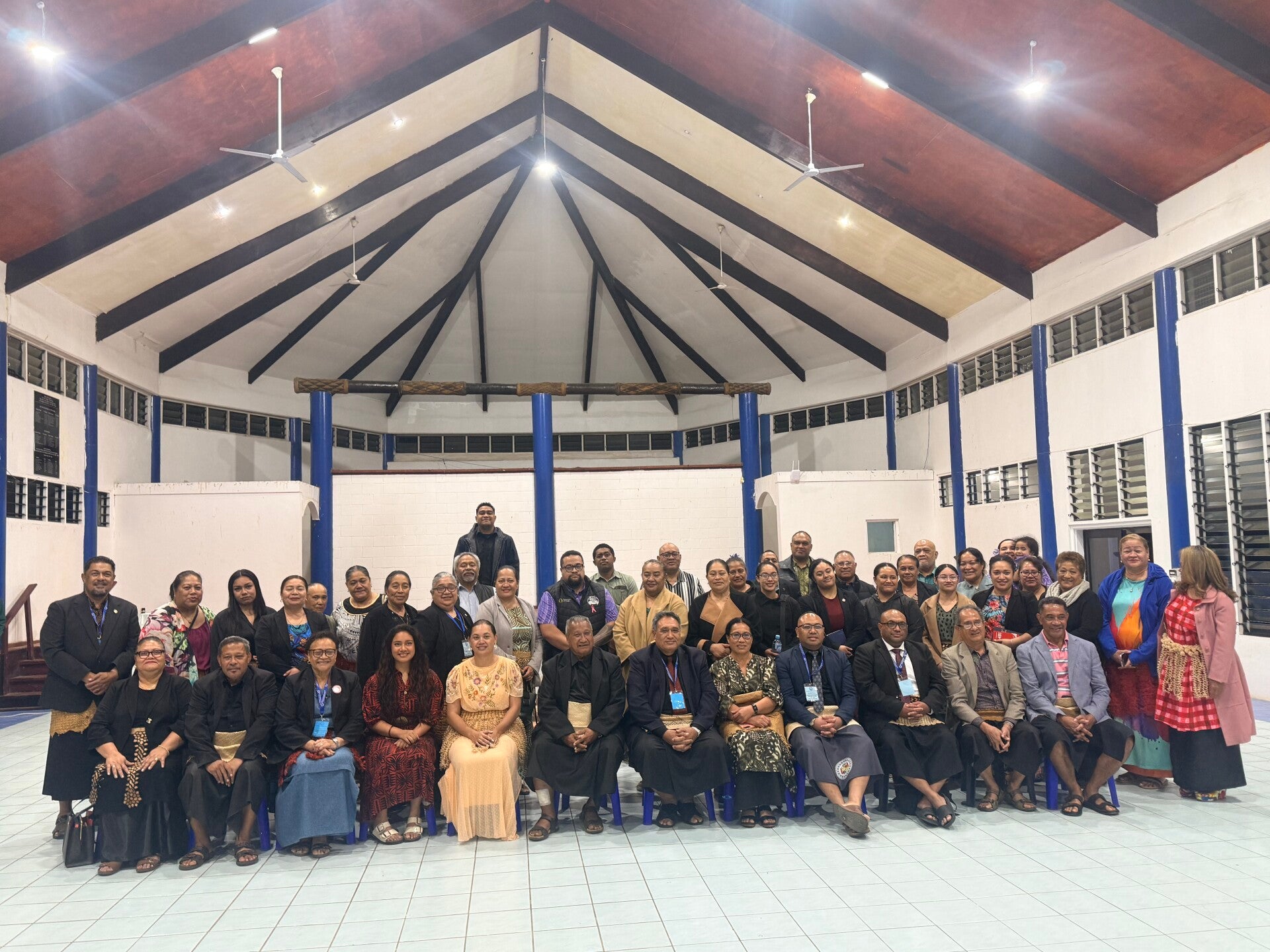
Project objectives and key findings
Our core objective is to critically assess how lotu shaped health decisions during COVID-19 and beyond. Our findings demonstrate that faith is neither purely helpful nor inherently harmful. While lotu fosters resilience, community hope and vital pastoral care, distorted expressions—or delusional religiosity—can foster medical mistrust and misinformation. Recognising this complex reality allows us to support what protects lives and address what endangers them.
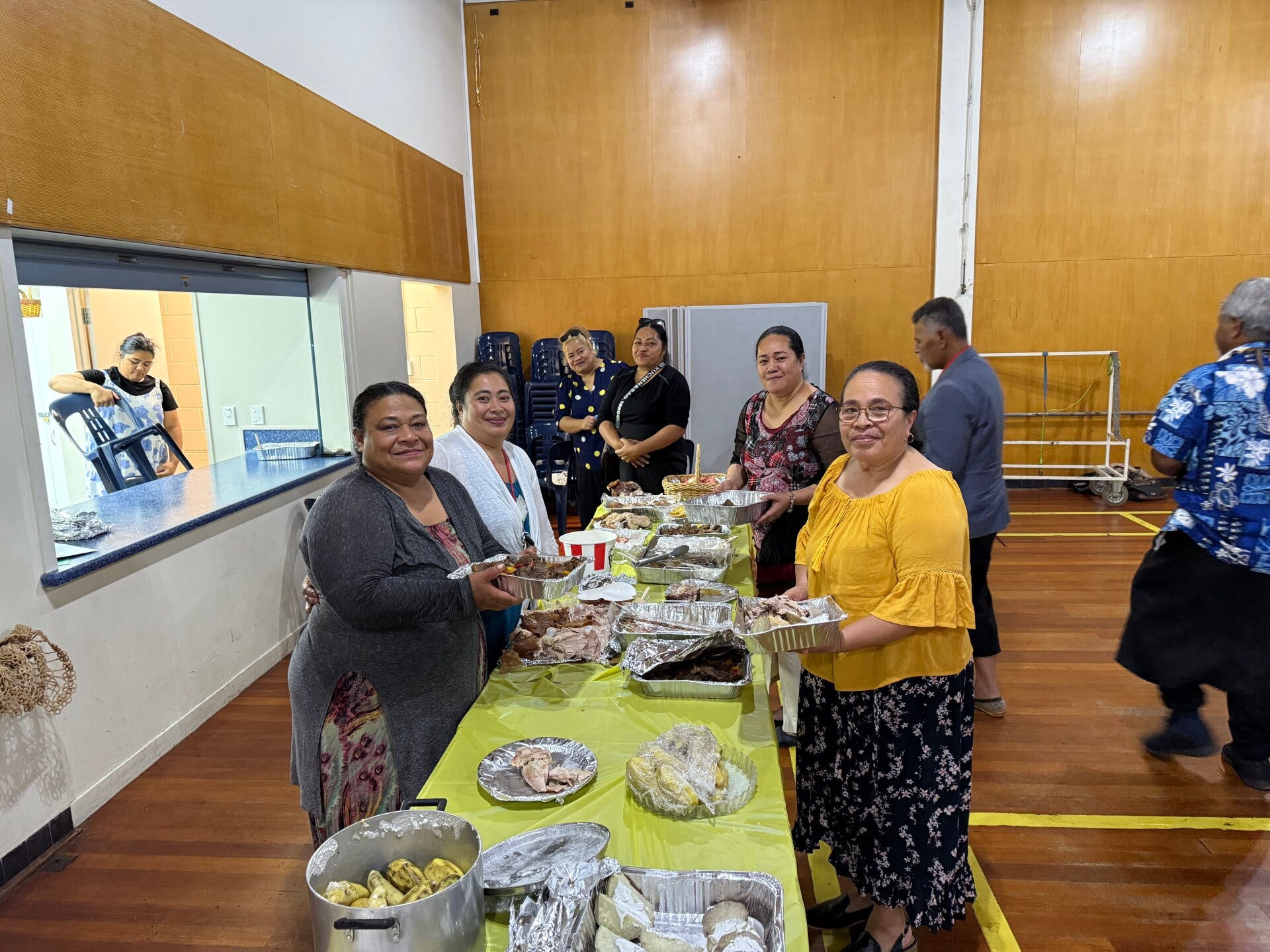
Our cultural methodology and ethics
Grounding our inquiry in authentic Tongan relational values, our methodology centres on in-depth qualitative interviews, tālanga and kauʻi-talanoa. Every stage of our research operates under strict ethical guidelines prioritising safety, cultural respect and reciprocity. By listening directly to lived experiences across churches and families, we ensure our findings authentically reflect community realities without judgement.
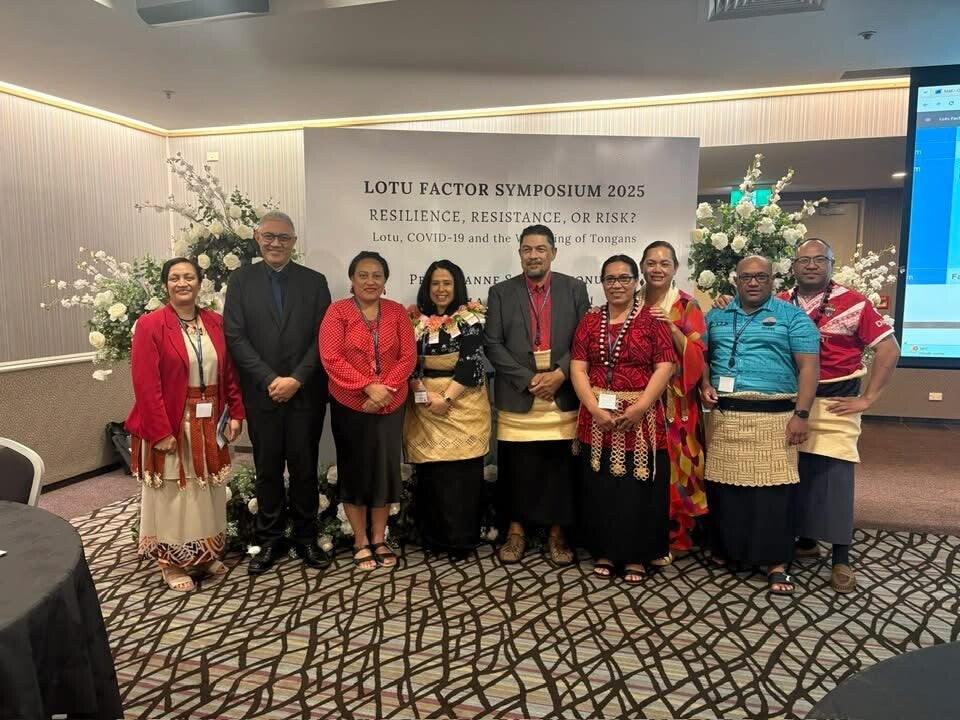
Strengthening collaboration across sectors
To ensure faith actively promotes wellbeing, church leaders, health providers and policymakers must better understand their shared responsibilities. Our project translates research into practical policy guidance, resources and reports designed to bridge institutional divides. Together, we can foster meaningful partnerships that respect cultural spirituality while safeguarding community health.